How big will my scars be after skin removal surgery? [Bob Basu, MD, Houston]


From tummy tucks to body lifts, large incisions are part of the process.
Houston plastic surgeon Dr. Bob Basu explains how plastic surgeons minimize and hide scars—and why patient recovery is just as important as the surgery itself.
Read more about Houston plastic surgeon Dr. Bob Basu
Follow Dr. Basu on Instagram @basuplasticsurgery
To learn more about Dr. Bob Basu, listen to his episode of Meet The Doctor
Where Before Meets After brings credible, accurate information about plastic surgery, aesthetic procedures and treatments to the researching audience from trusted plastic surgeons and aesthetic professionals.
For more information about being a guest or sponsor of Where Before Meets After, visit wherebeforemeetsafter.com. If you're a doctor or an aesthetic professional and have ever thought about doing your own podcast, you can try podcasting for free on our Meet the Doctor podcast. Schedule your recording session at meetthedoctorpodcast.com.
Where Before Meets After is a production of The Axis
Eva Sheie (00:00):
You're listening to Where Before Meets After. Some of these procedures sound like they come with very large incisions, especially the ones that go all the way around the entire body. How do you address healing those large incisions and then where do you hide those scars?
Dr. Basu (00:16):
One of the universal principles for body contouring after weight loss, quite frankly, it's a universal principle for everything that we do in plastic surgery, is that we have to accept some degree of scar to achieve that much, much better form. Now, we get it. We don't want our patients to be riddled with bad scars. So we try to hide those thin little incisions in natural body crease lines. So for instance, in a tummy tuck, we are strategic about where we place the scar. The thin incision line is typically placed in the undergarment bikini line below a C-section scar if a patient has a C-section. So that's an example of how we hide the scars. But there's some procedures that it's really hard to hide the scars, such as an upper arm lift. In an upper arm lift, the traditional technique is placing the incision in the medial aspect of the upper arm.
(01:08):
I'm not a big fan of that technique. For two decades, I've done an upper arm lift where I hide the incision in the underside of the upper arm because I think it's a lot more forgiving. A common question that we get is, how will my scars look? And I always tell patients that scarring has to do with two variables. Number one, it clearly has to do with surgical techniques. So what I do or what your surgeon does, how they handle the tissue, how they close the tissue, are they doing a real meticulous cosmetic closure, clearly matters. But it also has to do with the second variable, which is patient genetics. Now, I'd love to tell you that I'm so awesome that I'm going to trump a patient's genetics. That is simply not true. I work with patients that have great healing potential, and I do a tummy tuck, and I can't even see the scar week four, five, six after surgery.
(02:00):
But I also treat patients that don't have great healing potential or don't have great genetics, and their scar takes the classic 18 months to fade. Now, we get that variance at how patients heal. And that's why after every surgery, it's not that you have the surgery and disappear. Typically, four to six weeks after your surgery, we have a pretty involved scar management protocol. That includes scar massage therapy, that includes microneedling, laser lightning. There's a lot of things in our bag of tricks in our toolbox that we can really work at making those scars fade away as fast as possible.
Eva Sheie (02:33):
What is the most important factor in healing well after a big procedure?
Dr. Basu (02:37):
One of the most important factors is making sure you're working with your team, your plastic surgery team, that you have given yourself enough time for recovery. The worst thing that you can do is you undergo any procedure, small or big, and I'm sure your surgeon's practice is going to go over what you should be doing, what you should not be doing, and how to prepare for the recovery. But if you kind of ignore that and do whatever you want, you are setting up for a complication. So what I love to tell all my patients is what I do in surgery is equally important as what the patient does after surgery. Equally important. It is vital that the patient and the surgeon are working together as a team and being really honest about the limitations of what they can do. So if they can only take two weeks off and they have to be at a desk job, then maybe it's time to do less surgery.
(03:27):
If they have little kids and they have no childcare support, maybe that's not the right time to do a surgery. So proper planning is so, so important to set you up for a successful outcome. One of the increased risks that weight loss patients carry is an increased risk of a fluid collection. The medical term for that is a seroma. What that means is when we are removing tissue, we're doing work underneath that tissue and doing our thing, we close things down. There's an empty space where we've worked and that empty space needs to heal down. Now there's some advanced techniques that we do to expedite your recovery, such as drainless techniques. We do a special negative pressure therapy or a drainless closure system called Interi. But even with all the advanced techniques that we do, once that space is healed down, if a patient is not giving adequate time to heal and they start moving around, doing too much activity, they go back to the gym too soon, they're walking around too much, that can unheal those areas internally and lead to what's called a seroma or fluid collection.
(04:30):
Now that's not life-threatening, but it can potentially negatively impact your cosmetic results with swelling, scarring, and an undesirable impact to your overall outcome. So it's really important to make a commitment and work with your team to follow post-operative instructions so you can enjoy your results and get back to life as soon as possible.
Eva Sheie (04:49):
Thanks for listening. I'm your host, Eva Sheie. Follow the show and submit questions for our experts at wearbeforemeetsafter.com. Where Before Meets After is a production of The Axis.
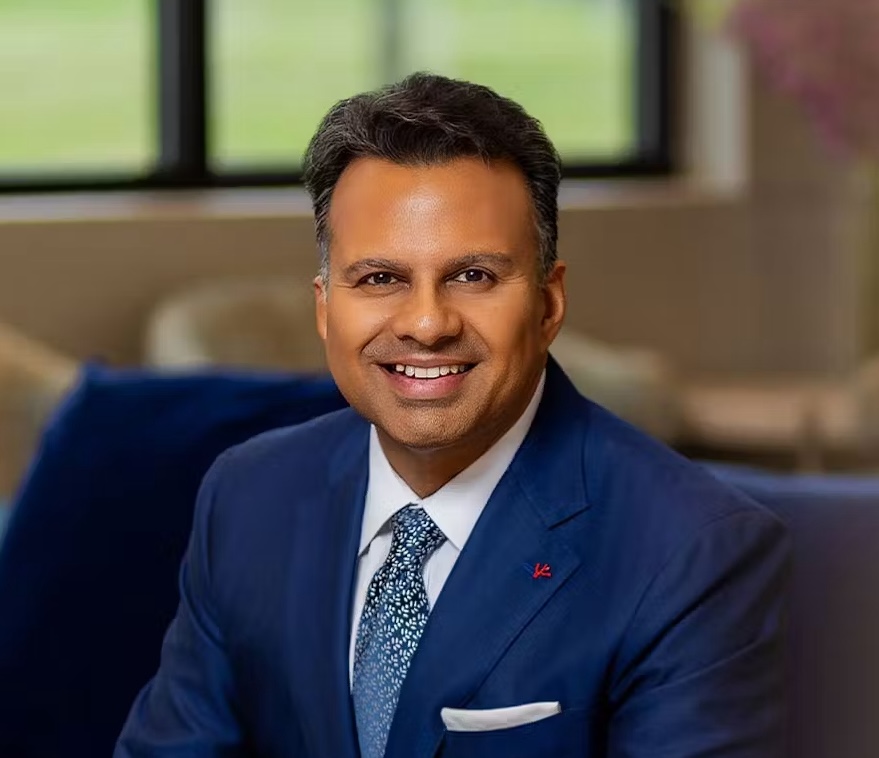
Houston Plastic Surgeon
Dr. Bob Basu, MD, MBA, MPH, FACS, is a nationally recognized, board-certified plastic surgeon and President-Elect of the American Society of Plastic Surgeons (ASPS). As founder and managing director of Basu Aesthetics + Plastic Surgery in Houston, Texas, he has performed more than 18,000 procedures and is trusted by patients across the nation to deliver natural, beautiful results in breast and body contouring, facial rejuvenation, and complex revision surgery. Dr. Basu is a leading voice in surgical safety, innovation, and modern aesthetic standards. Known for his artistry, compassion, and elevated patient experience, he combines surgical precision with a deeply personal approach to help every patient feel confident and empowered.