Not enough fat for a BBL? [Bob Basu, MD, Houston]



Too thin for a traditional BBL?
Houston plastic surgeon Dr. Bob Basu shares how he helps patients with little fat still get curves.
Read more about Houston plastic surgeon Dr. Bob Basu
Follow Dr. Basu on Instagram @basuplasticsurgery
To learn more about Dr. Bob Basu, listen to his episode of Meet The Doctor
Where Before Meets After brings credible, accurate information about plastic surgery, aesthetic procedures and treatments to the researching audience from trusted plastic surgeons and aesthetic professionals.
For more information about being a guest or sponsor of Where Before Meets After, visit wherebeforemeetsafter.com. If you're a doctor or an aesthetic professional and have ever thought about doing your own podcast, you can try podcasting for free on our Meet the Doctor podcast. Schedule your recording session at meetthedoctorpodcast.com.
Where Before Meets After is a production of The Axis
Eva Sheie (00:00):
You're listening to Where Before Meets After. Does anyone ever get loose skin in an unconventional part of their body? Does it ever come up like my ear lobes are too long?
Dr. Basu (00:12):
Oh, absolutely. I mean, that's why when we see patients for weight loss, some patients come in and their concern is the face and neck. Yes, they get laxed in the ear lobules. Weight loss impacts different patients in different ways in different places. And everyone's concerns are very, very different. So it really requires a very specific discussion, helping the patient prioritize their goals and the expertise to come up with a unique planning. Let me dive a little bit deeper on the expertise. This goes beyond board certification. So that's the minimum, right? You have to see someone who's certified by the American Board of Plastic Surgery. You have to see someone who's a member of the American Society of Plastic Surgeons. Accept no imitations no matter how fancy the name sounds, period. Hard stop. Now, beyond that, I'll give you an example. I see a lot of women who are very, very petite after their weight loss and their concern is they want to body lift or they're concerned that their buttock is hollow.
(01:13):
They've lost their buttock. They feel insecure wearing yoga pants when they're exercising. And they've been told by reputable board certified plastic surgeon that you're just going to have to live with it. I can tighten your skin in the back with a buttock lift, but you don't have any extra fat. You have to live with it. Not the case. I have done what's called composite gluteal augmentation on patients who are extremely thin. They're not candidates for fat transfer by itself because they don't have enough extra fat left after weight loss. So what I've done is use the love handle tissue in a buttock lift. In fact, my patients have called this procedure love handle buttock augmentation. So when I do a buttock lift, the extra skin that's in the flank area is normally thrown away. We're pulling the buttock up. And I take that love handle tissue, keep it attached to the blood supply and create the patient's own natural tissue implant, and we can actually place that in the buttock.
(02:10):
And if I can find a little bit of fat anywhere, whether it be in the medial thighs, I take a small amount, kind of think slim BBL and add in some fat grafting around that flap, that love handle flap to give them what's called a composite gluteal augmentation. I've done this on patients who are repeatedly told by reputable surgeons that they're not a candidate. They have to live with a flat butt. We have some incredible before/after pictures on these very challenging patients. So the expertise matters. And I've learned this technique over two decades and honed it and do it even in these very thin slim patients after weight loss. And they're incredibly happy with the results. Fast forward to today, there are some non-surgical ways to volumize your butt today. Very powerful. There's a new product that is a bioengineered fat. Think of fat out of a syringe.
(03:06):
So everyone's heard of fillers. This is not a filler, right? It's not a filler. The company did a lot of research and they take fat from a cataveric source and irradiate it with they zap the fat with radiation. That kills any bacteria infection. They wipe out all the immune components. They add in what's called extracellular matrix and these proteins to support the fat to give it structure. And you can actually have a buttock augmentation now using this bioengineered fat. This can be done in the office. It's not a surgical procedure. There's no downtime. You can go to work the next day. What's the downside? Long-term results, I've been doing a few months, but we don't have one to two-year follow-up. In theory, the fat graft survival rate should be about 60 to 80%, but we shall see. The other downside is this is a new product.
(04:01):
It is incredibly expensive. It is very expensive. So if a budget is of concern, this potentially could be price prohibitive.
Eva Sheie (04:10):
Thanks for listening. I'm your host, Eva Sheie. Follow the show and submit questions for our experts at wherebeforemeetsafter.com. Where Before Meets After is a production of The Axis.
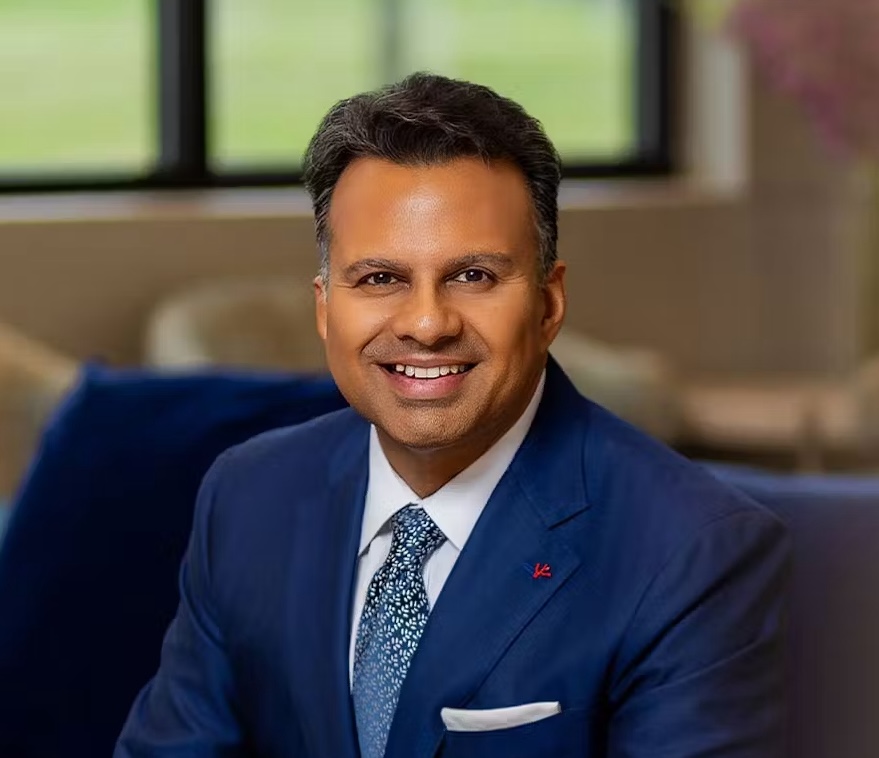
Houston Plastic Surgeon
Dr. Bob Basu, MD, MBA, MPH, FACS, is a nationally recognized, board-certified plastic surgeon and President-Elect of the American Society of Plastic Surgeons (ASPS). As founder and managing director of Basu Aesthetics + Plastic Surgery in Houston, Texas, he has performed more than 18,000 procedures and is trusted by patients across the nation to deliver natural, beautiful results in breast and body contouring, facial rejuvenation, and complex revision surgery. Dr. Basu is a leading voice in surgical safety, innovation, and modern aesthetic standards. Known for his artistry, compassion, and elevated patient experience, he combines surgical precision with a deeply personal approach to help every patient feel confident and empowered.